

Skip to content
PIXEntertainmentPix Entertainment
fr

Licensing

Indoor leisure licences to fit into your own unit

A licence is a venue that has already been designed. The world, the storyline, the drawings, the sets and the operating manual all exist: they have been written, drawn, built and corrected once already.

You bring the floor area, the fit-out budget and the team. You are not buying a study still to be done, you are buying what came out of it.

We are not a broker: Pix is a shareholder in the companies that create these brands, and it is Pix that supports licensees from the first site visit through to opening.

Creating a concept takes over 12 months. Fitting one takes three.

The Pix licences

What you can install today.

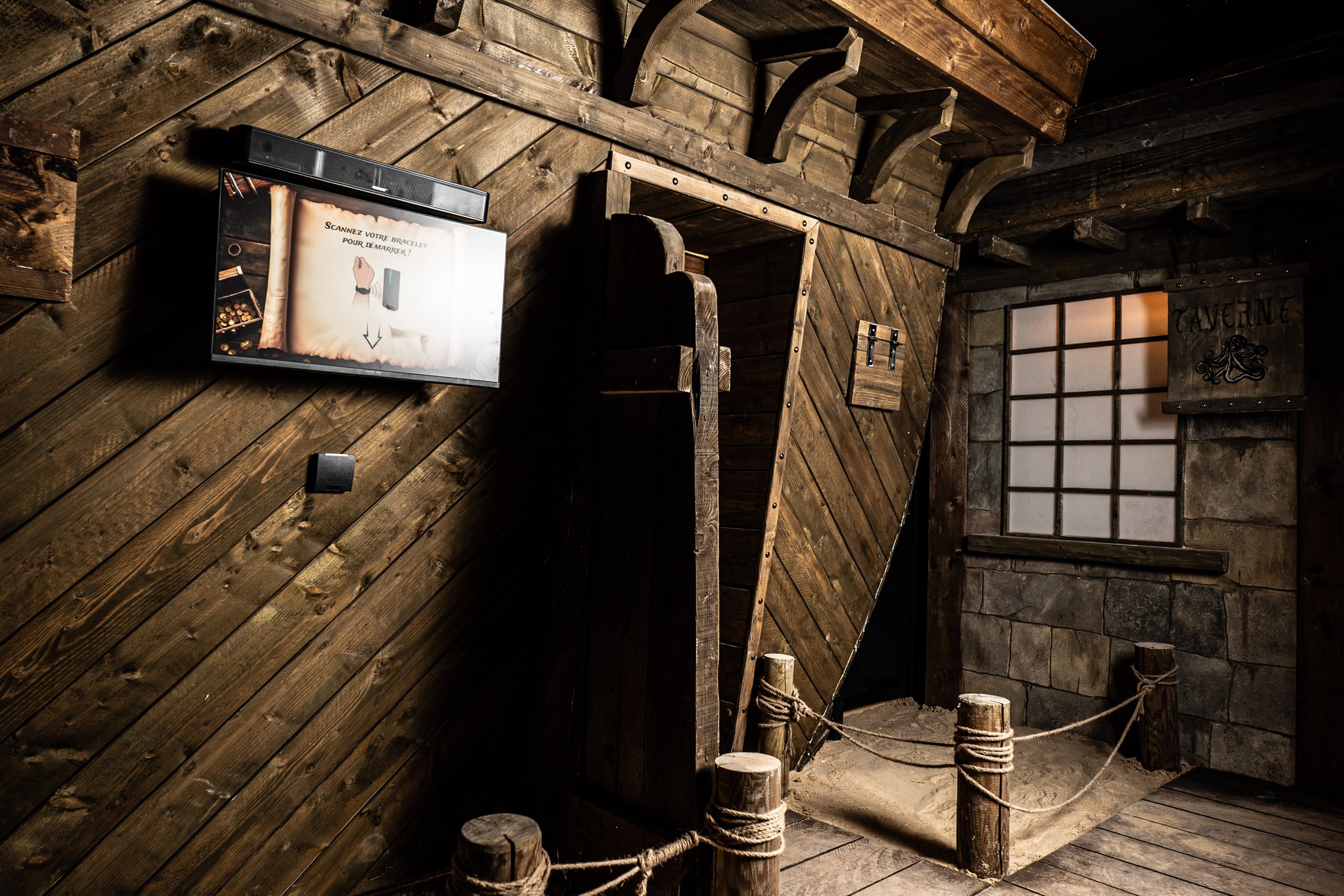
The entrance to the route inside the ship's hull, Pirate Experience Paris
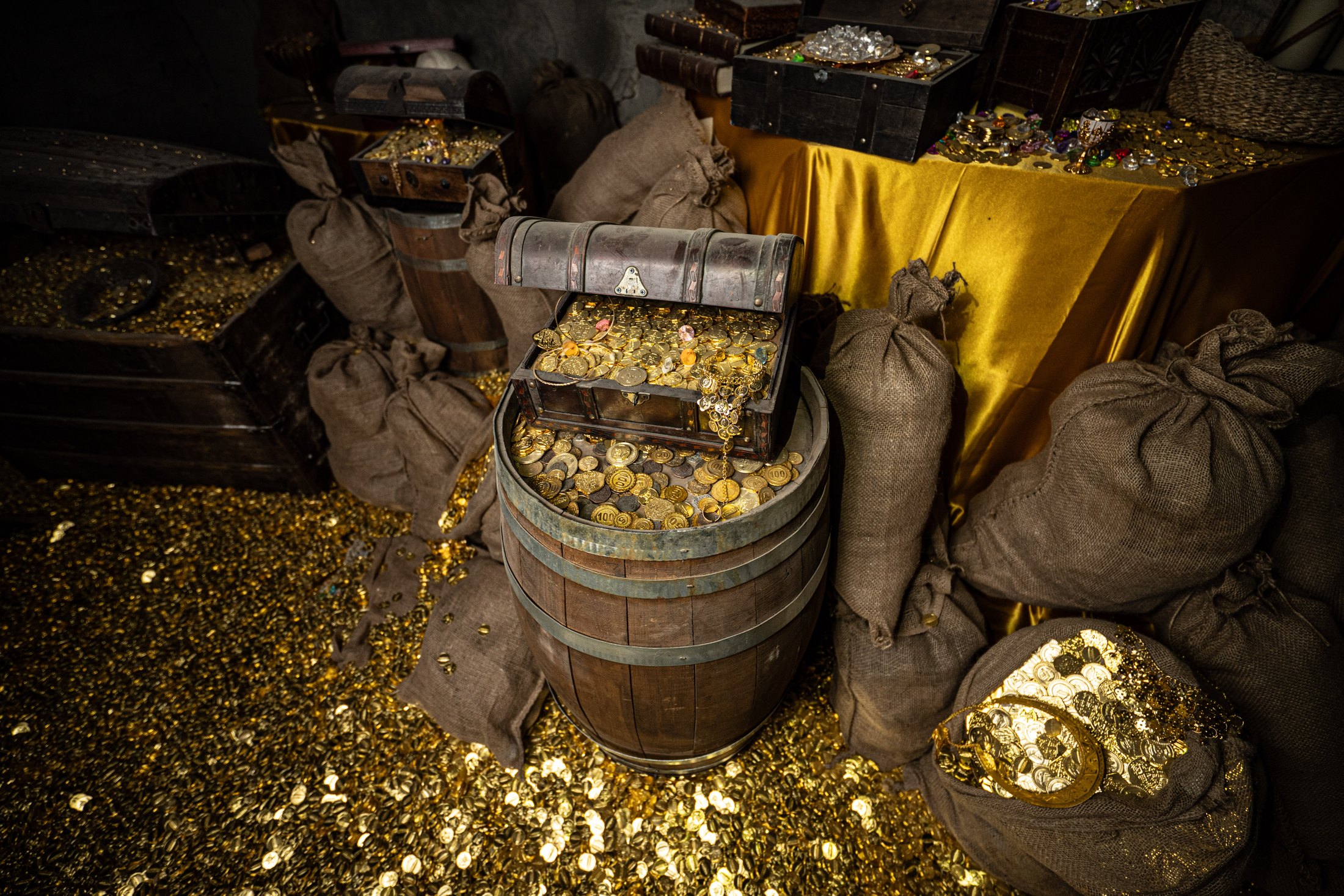
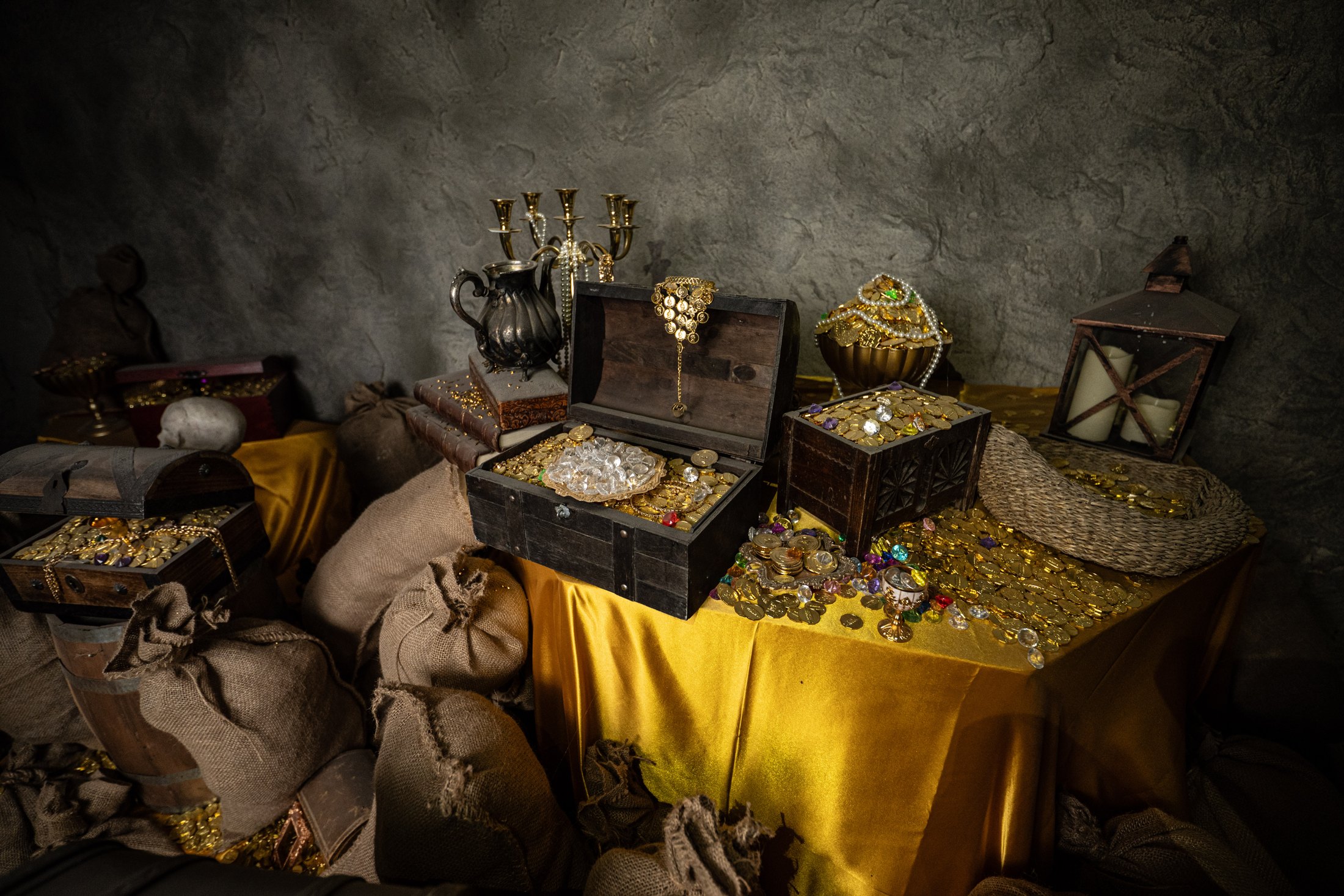
  • The treasure room: chest, sacks and gold coins
  • The ship's deck facing the sea, in the attack room
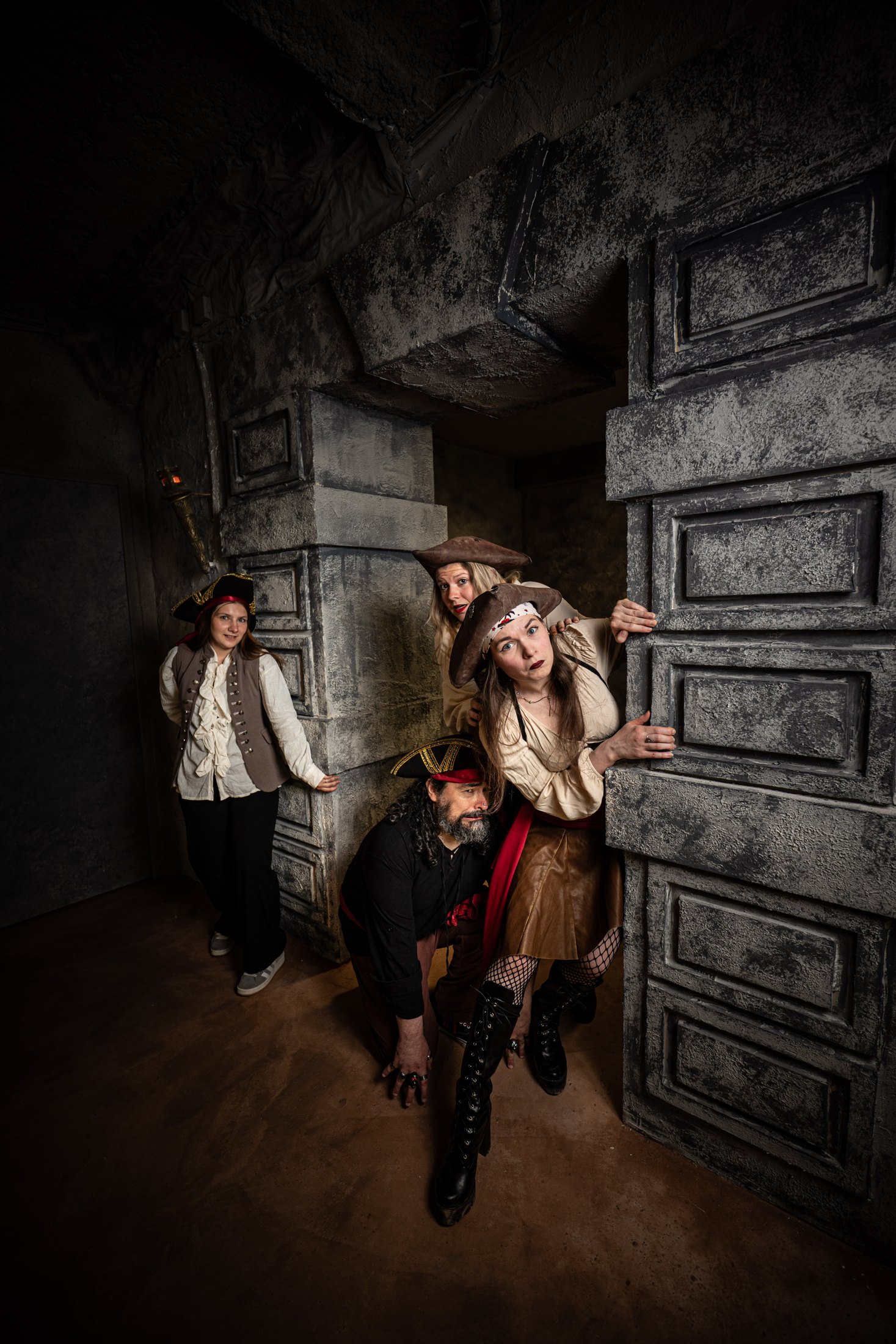
  • Players behind the grille of the treasure room
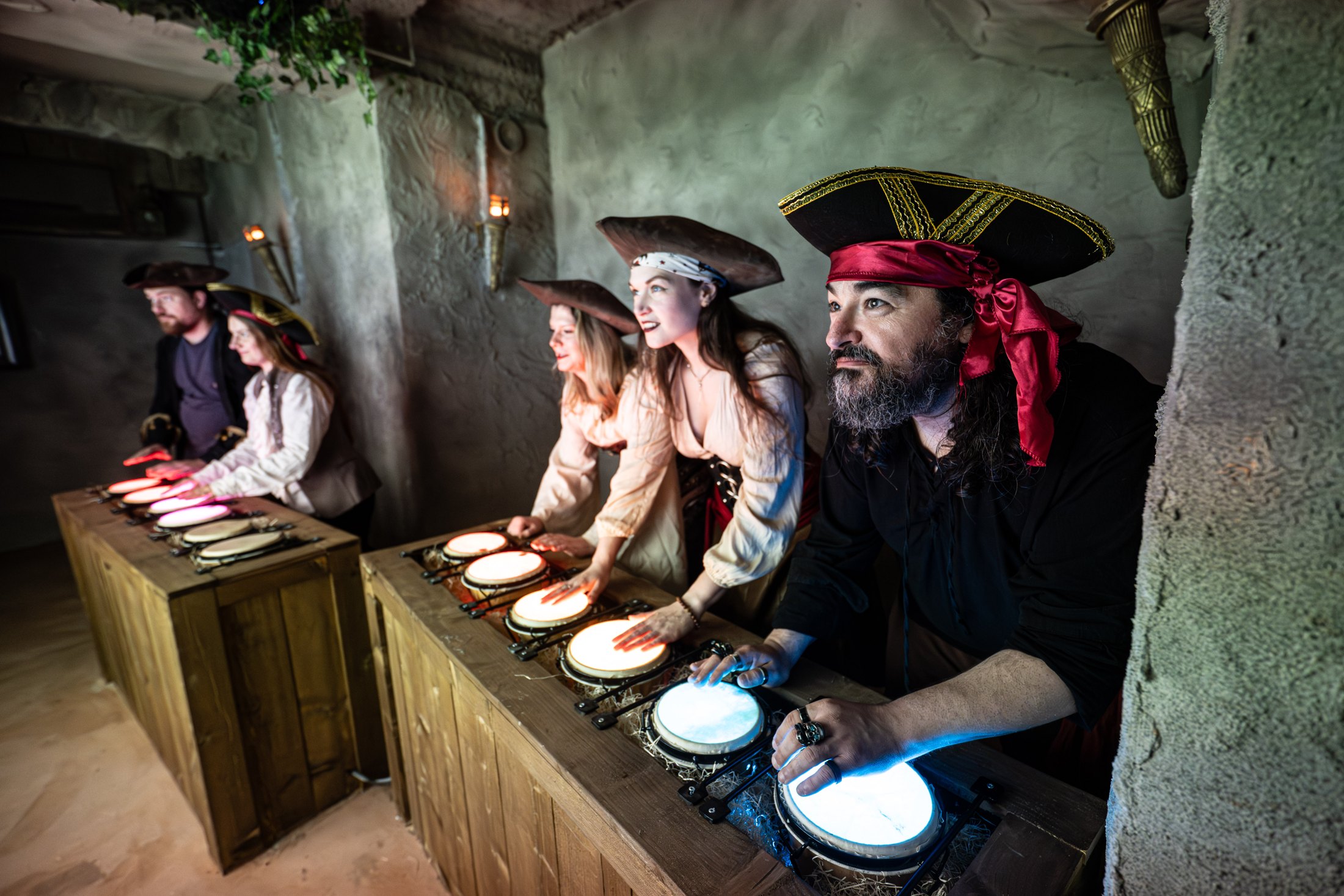
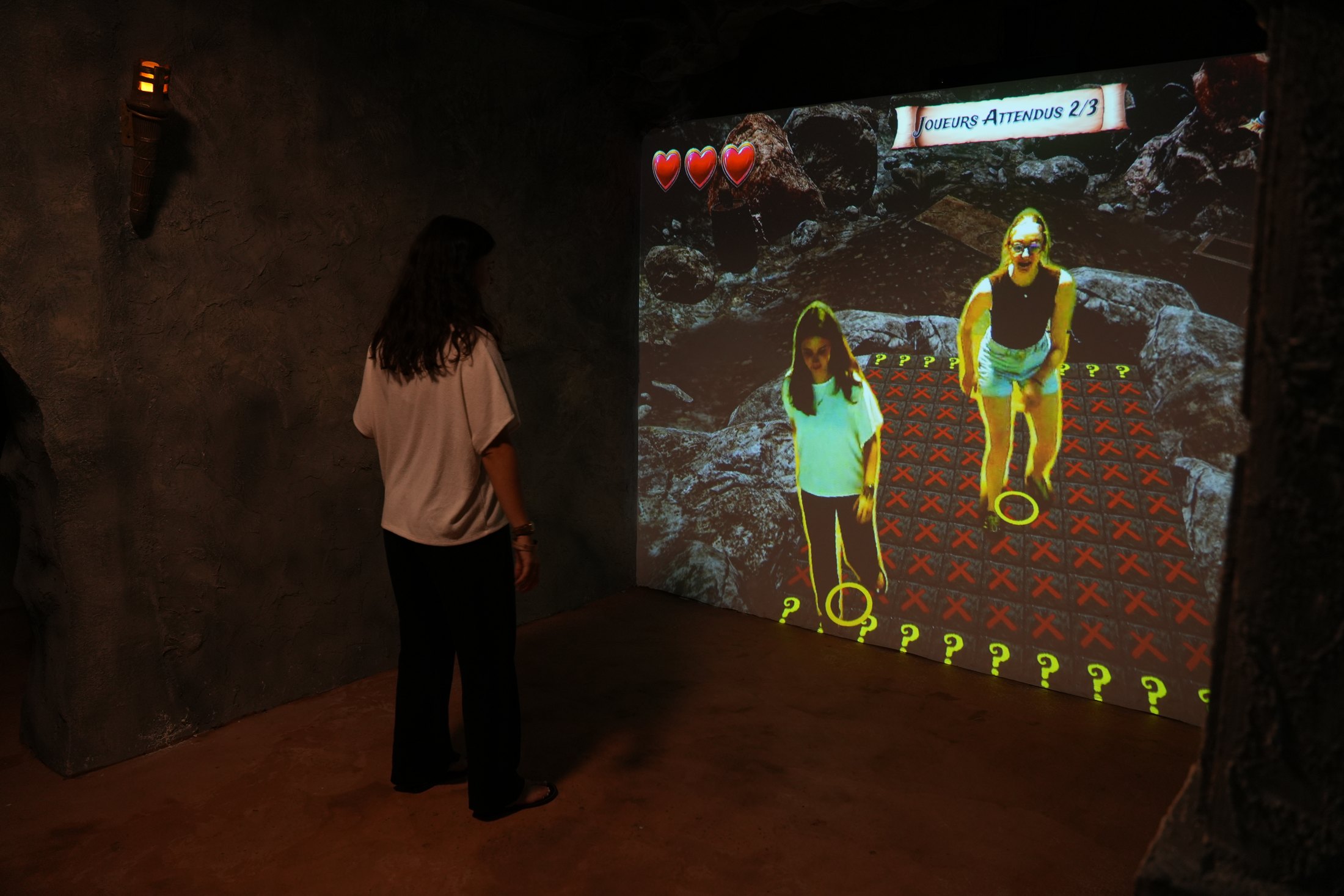
  • The cave's light-up tiles during a session
  • The tavern, where teams gather after the session
Pirate Experience

Pirate Experience

Pirate action game, six rooms, one hour of play

A fully automated action-game course, delivered with its games, its operating system and the team training.

Activities
Action game
Course footprint
120sqm

Who it's for

Families, children's birthday parties, groups of friends, team building and corporate away-days.

Price

From 105,000 € excl. VAT

  • Excluding fit-out, decoration and lighting

Sites

  • Parisopen since April 2026
  • Niceopening December 2026

View project Pirate Experience

Pix Entertainment is a shareholder in Phab Production, which created Pirate Experience and has operated it in the 10th arrondissement of Paris since April 2026. The brand is also licensed to third-party operators: a second site is under construction in Nice, for a December 2026 opening.

The course runs six rooms in an hour, in groups of two to six players, and is playable from the age of seven with no prior experience. Its tunnel format lets a group in every ten minutes: that is what gives the venue its throughput, and what separates an action game from an escape game, where one room is tied up for the whole session.

One course fits into 120 sqm: 110 sqm of play plus an entry and exit apron. The rooms need between 2.30 m and 2.50 m of headroom depending on what they hold. It goes into a new unit as readily as into an existing floor area alongside a leisure centre.

No game master goes into the rooms. Scoring, sound, lighting, photographs and video all fire on their own, and one person is enough to cover reception, supervision and debriefing across the day. That is what keeps the payroll of a venue this size in hand.

The licence comes with the six complete games, the operating system and its back office, automatic scoring, photo and video capture of each session, the dedicated website, installation and operator training. The maintenance documentation is written so that an operating team can keep the rooms running itself.

Pix Entertainment then supports its licensees: survey of the unit, adaptation of the drawings, costing, running the site works and opening.

What a licence contains

A Pix licence comes with everything needed to build the venue, then to run it without its designer.

  • The world and the brand. Name, graphic identity, tone, characters, rules of the world. The set is not decoration added afterwards: it follows from the story.
  • The storyline and the game mechanics. How a session runs, the puzzles or challenges, the duration, the number of players, how it is made replayable.
  • The drawings. Layout, partitioning, lighting, services, public circulation and fire exits, adapted to your unit.
  • The sets and the mechanisms. Schedule of works, materials, suppliers already proven, and the shop drawings that go with them.
  • The operating kit. Team briefing, resetting between sessions, degraded mode when a mechanism fails, routine maintenance.
  • The digital side. Website, online booking, pricing and attendance tracking, on the tools described under Digital.

What you bring

  • The unit, its lease and its compliance work (public-venue, accessibility, fire).
  • The fit-out budget and the equipment.
  • The operating team and its recruitment.
  • The day-to-day commercial life of the venue.

Why a licence rather than an original concept

An original concept starts from a blank page: it produces a venue no one else has, and it carries that risk. The storyline has never been played, the set has never been built, the hourly throughput has never been measured.

A licence starts from a venue that exists. The design work has already been paid for, the design mistakes have already been corrected, and the schedule is about fitting out rather than searching.

Both routes stay open. An operator who wants a brand of their own takes the original concept; an operator who wants to open quickly, on something already proven, takes the licence.

How an installation runs

  1. Feasibility. We test your unit against the licence: floor area, ceiling height, access, building and public-venue constraints.
  2. Adapting the drawings. The concept is redrawn to your geometry. It is the only design work left to do.
  3. Costing and programme. Fit-out budget, packages, lead times, milestones.
  4. Site. We run the trades and follow the works, as on any turnkey project.
  5. Opening. Team training, running in, game tuning, then support over the first weeks of trading.

The agreement

The commitment is signed as two separate documents. The first is a brand licence agreement: it sets the term, the territory granted, the quality obligations and what happens to the brand when it ends. The second is an equipment sale agreement, covering the games, the operating system and their installation.

Both are handed over in full before any commitment, and the study of your unit only starts once they are signed.

Have you got a unit available?

Give us the floor area, the town and the timetable. We will tell you which licence fits your unit and what installing it takes.